Surviving a poisonous fog involves several key strategies, depending on its origin (chemical, natural, or biological) and your situation. Here are general steps to protect yourself:
Immediate Actions
- Find Shelter:
- Move indoors immediately, preferably to a sealed or low-ventilation space.
- Shut all windows, doors, and vents.
- Seal Openings:
- Use duct tape and plastic sheeting to seal gaps in windows, doors, and vents if you suspect chemical agents.
- Close fireplace dampers and ventilation fans.
- Protect Breathing:
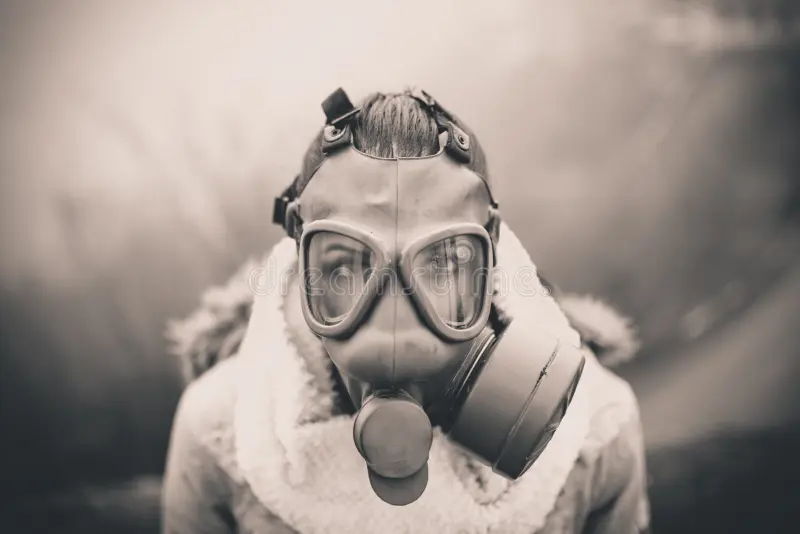
- Cover your nose and mouth with a damp cloth if you lack a proper respirator or gas mask.
- Avoid inhaling deeply or panicking, which increases exposure.
- Stay Low:
- Toxic gases often rise; staying low to the ground can minimize inhalation.
Ventilation Control
- Turn off air conditioning, heating, and ventilation systems that draw outside air.
- Use an air purifier if available, especially those designed for chemical or biological threats.
Emergency Kit Preparation
- Keep a kit with:
- Respirators or N95 masks.
- Plastic sheeting and duct tape.
- Flashlights, batteries, and communication devices.
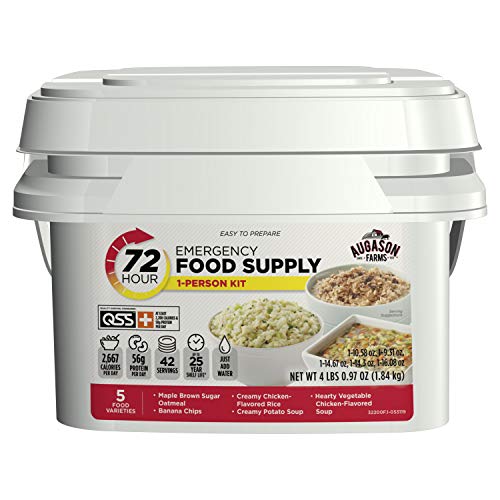
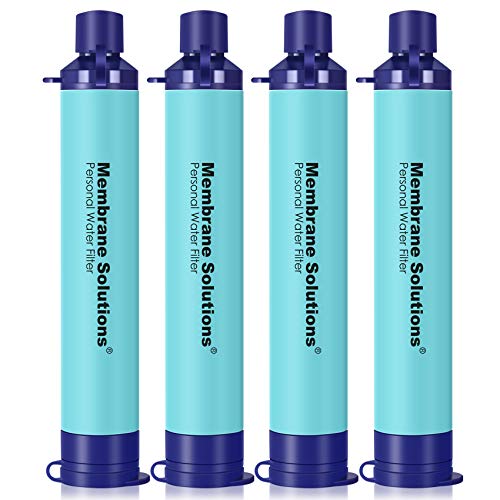
- Water, food, and medical supplies.
Long-Term Strategies
- Evacuation:
- Leave the area once it’s safe and you receive official guidance.
- Use sealed vehicles if possible, ensuring air circulation is set to recirculate.
- Decontamination:
- If exposed, remove clothing, bag it, and wash your body with soap and water.
- Avoid touching your face or other parts of your body while handling contaminated items.
- Monitor Updates:
- Stay informed through reliable news or emergency services for updates about the fog and safety instructions.
- Medical Assistance:
- Seek immediate medical attention if you experience symptoms like difficulty breathing, nausea, or dizziness.
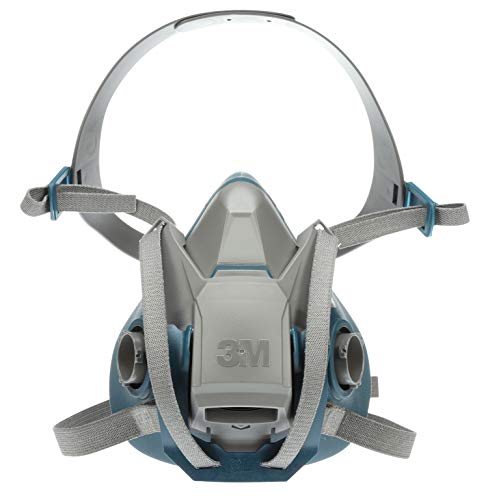

If toxins are being sprayed by air (e.g., from an aircraft or other delivery system), the situation is critical, and immediate action is necessary. Here’s how to survive and minimize exposure:
Immediate Actions
- Seek Shelter Immediately:
- Go indoors as quickly as possible.
- Choose a building with few windows or one you can easily seal.
- Seal Your Shelter:
- Close all windows, doors, and vents.
- Use duct tape and plastic sheeting (or any available materials) to seal openings, including gaps under doors and around windows.
- Turn off ventilation systems like HVAC, air conditioners, and fans that pull in outside air.
- Protect Your Breathing:
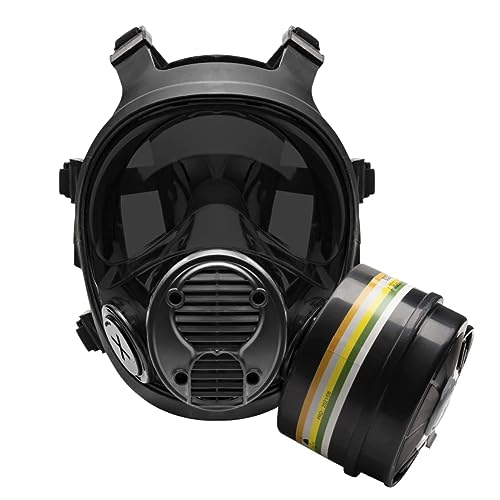
- Cover your mouth and nose with a damp cloth or towel if you don’t have a gas mask or respirator.
- Preferably use masks rated for chemical or biological hazards, such as N95 or better.
- Avoid Exposure:
- Stay away from areas where you can visibly see the spray.
- Avoid touching any surfaces or objects that might have been contaminated.
During the Incident
- Stay Low or Elevated (Depending on the Toxin):
- Some toxins settle low to the ground, while others disperse upward. Staying inside limits both risks.
- Monitor Symptoms:
- Be alert for signs like difficulty breathing, dizziness, nausea, or burning eyes/skin. These may indicate exposure.
- Stay Informed:
- Use a battery-operated radio or mobile phone to monitor emergency broadcasts or official instructions.
- Avoid relying on unverified sources.
After the Incident
- Decontamination:
- If you were outside during the spraying:
- Remove contaminated clothing and seal it in a plastic bag.
- Wash your entire body thoroughly with soap and lukewarm water.
- Rinse your eyes if they were exposed.
- If you were outside during the spraying:
- Evacuate If Directed:
- When authorities give clearance, leave the area, taking a sealed route (e.g., a vehicle with air recirculation).
- Seek Medical Help:
- Report to a healthcare facility if you experience symptoms or suspect exposure, even if symptoms seem mild.
- Avoid Contaminated Food or Water:
- Do not consume anything left exposed to the air, especially open water sources.
Preparation for Future Incidents
- Emergency Kit: Include respirators, duct tape, plastic sheeting, gloves, and goggles.
- Know Your Area: Identify safe indoor locations in advance, especially in industrial or high-risk zones.
- Community Plans: Stay aware of local emergency response plans and protocols.