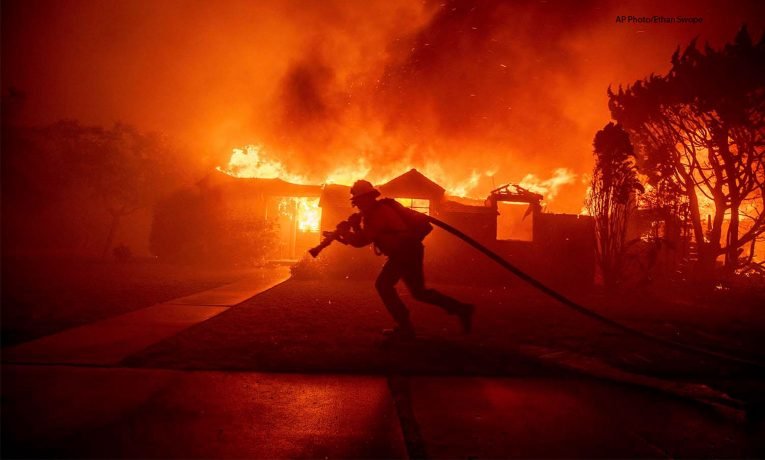
Being prepared for a brush fire in California is crucial due to the state’s dry climate and frequent wildfires. Here’s a guide to ensure your safety and readiness:
1. Create a Defensible Space
- Clear at least 100 feet of vegetation around your home.
- Remove dead plants, leaves, and debris from roofs and gutters.
- Trim tree branches at least 10 feet away from chimneys and other trees.
2. Harden Your Home
- Install fire-resistant roofing and siding materials.
- Seal gaps around eaves, vents, and windows to prevent embers from entering.
- Use tempered glass or fire-resistant shutters for windows.




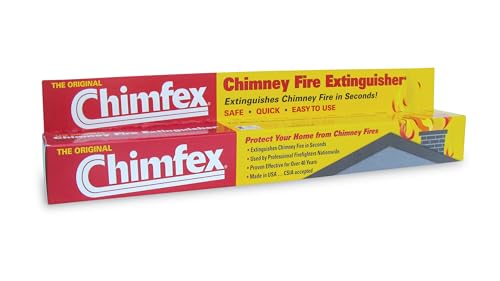


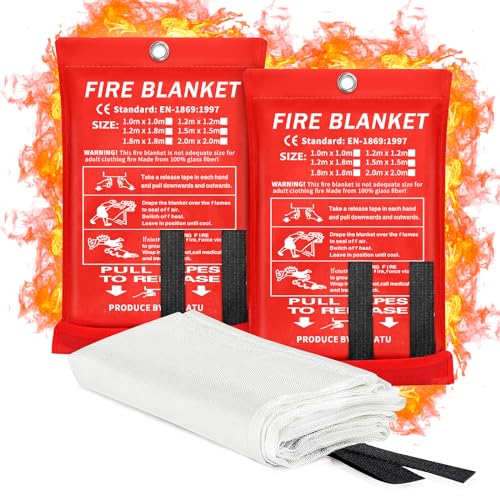
3. Prepare an Emergency Kit
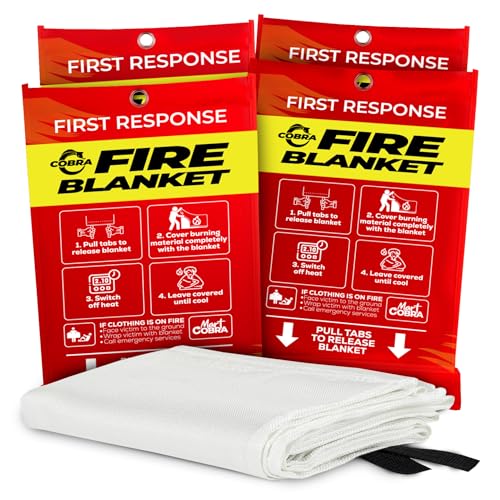
Include essentials for at least 72 hours:
- Water (1 gallon per person per day).
- Non-perishable food.
- Medications and first-aid supplies.
- Flashlights, batteries, and a portable phone charger.
- Important documents in a fireproof bag.
4. Plan Your Evacuation
- Map multiple evacuation routes from your area.
- Identify safe meeting points for family members.
- Keep your vehicle fueled and emergency supplies ready in your car.
5. Stay Informed
- Sign up for local alerts and weather warnings.
- Monitor fire conditions through apps like Cal Fire or NOAA Weather.
6. During a Fire
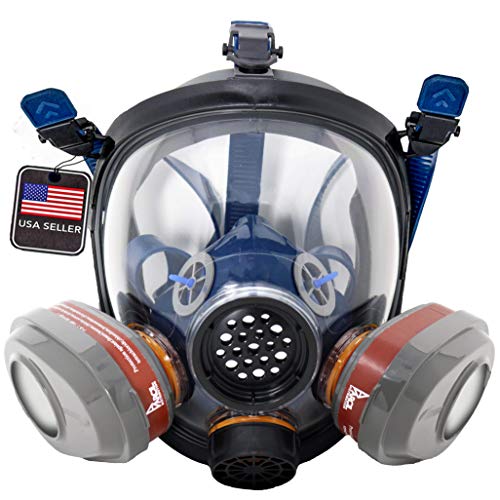
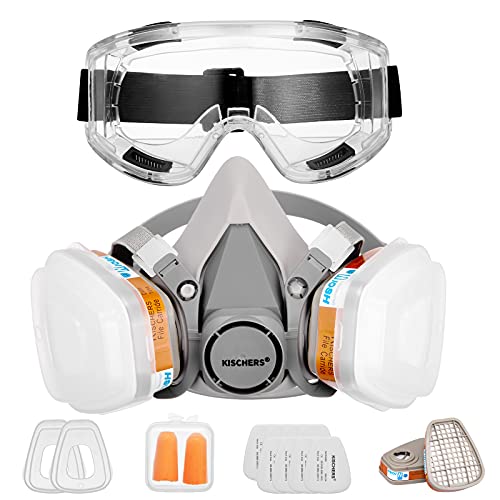
- Wear protective clothing (long sleeves, sturdy shoes, goggles).
- Keep windows and doors closed to prevent smoke entry.
- Evacuate immediately when instructed—do not wait.
7. Practice Regular Drills
- Conduct fire drills with your household.
- Review and update your emergency plans annually.
By being proactive, you can reduce risks and protect your family and property.
Understanding Brush Fires in California
Brush fires, often referred to as wildfires, pose significant threats to California due to the state’s diverse ecosystems and climatic conditions. These fires can occur in various types of vegetation, including grasslands, shrublands, and forests, typically fueled by dry grasses and underbrush. Several factors contribute to the ignition of brush fires, including natural events such as lightning strikes and anthropogenic activities such as campfires, discarded cigarettes, and arson.
California’s geographical and climatic characteristics make it particularly susceptible to brush fires. The state’s Mediterranean climate includes hot, dry summers and mild, wet winters, creating an environment conducive to the rapid spread of wildfires. The Santa Ana winds, which occur in Southern California, can exacerbate fire conditions by driving flames and embers toward new areas. Additionally, ongoing drought conditions, a common feature in California, further increase the flammability of vegetation, leading to more intense and extensive fires.
In recent years, the impact of climate change has heightened the risk of brush fires across the state. Rising temperatures, shifting precipitation patterns, and prolonged droughts contribute to increasingly volatile conditions that enable wildfires to ignite and spread. This changing climate has led to the emergence of longer fire seasons, with wildfires now occurring earlier and lasting longer than in previous decades. As a result, the need for awareness and proactive measures to protect homes, families, and valuables has never been more critical.
Taking the time to understand the dynamics of brush fires in California is essential for residents. By recognizing the causes, seasonal patterns, and climate challenges associated with these fires, individuals can better prepare for their potential impact. Proactive strategies, such as creating defensible space around properties and being alert during red flag warnings, are imperative in minimizing the risks associated with brush fires.
Creating a Wildfire Emergency Plan for Your Family
In the face of increasing wildfire risks, particularly in California, it is essential for families to establish a comprehensive wildfire emergency plan. Central to this preparation is ensuring clear communication strategies are in place among all family members. This involves creating a reliable system that allows every individual to stay informed, especially during chaotic situations. For instance, designating a primary contact person can help streamline communications, allowing family members to focus on their safety without unnecessary distractions. Additionally, using text messages or family group chats can facilitate quick updates and reassurances about each another’s safety.
Designating meeting spots is another critical component of a wildfire emergency plan. Select multiple safe locations that are easily accessible to all family members, so everyone knows where to gather in case of an evacuation. These sites can be as simple as a neighbor’s house or a local community center, ensuring they are situated outside the danger zone of potential brush fires. Inform all family members about these designated meeting points, and periodically revisit them to keep the information fresh and top-of-mind.
Identifying clear evacuation routes is equally vital in wildfire preparedness. Families should familiarize themselves with primary and secondary streets leading out of their neighborhoods, considering how traffic may impact evacuation timing. It may also be beneficial to keep a printed map or a digital navigation tool preloaded on mobile devices for quick reference during an emergency. Regularly practicing evacuation drills can ensure that all family members understand where to go and what actions to take. Everyone should have a specific role, whether it’s gathering important documents, ensuring pets are ready for transport, or monitoring local alerts. These proactive steps can significantly enhance family safety when faced with the threat of a brush fire.
Protecting Your Home Against Brush Fires
To safeguard your property from the threat of brush fires, it is essential for homeowners to implement various protective measures that focus on both landscaping and structural resilience. Creating a defensible space around your home is one of the primary strategies to mitigate fire risk. This space should ideally extend at least 30 feet from the structure and consist of a defensible zone that allows for the removal of flammable vegetation and debris. By maintaining this clear zone, you reduce the potential for fire to spread towards your home.
Landscaping plays a critical role in fire prevention as well. When choosing plants for your garden, homeowners should prioritize fire-resistant varieties. Native and drought-resistant species not only require less water and maintenance but also possess characteristics that limit their flammability. Establishing a mix of hardscape elements, such as patios or gravel, can further decrease the combustibility of surrounding foliage, providing additional layers of protection against brush fires.
In addition to landscaping, the fireproofing features of the home itself are paramount. Selecting non-combustible roofing materials, like metal or tile, can significantly enhance your home’s resilience against extreme heat and flames. It is also advisable to install tempered glass windows, which are designed to withstand high temperatures, thereby reducing the risk of breakage and potential fire entry points. Proper venting methods, including the installation of wire mesh screens over vents and using metal flashing, can prevent embers from entering your home, thereby safeguarding it during a brush fire event.
Taking these proactive steps can substantially diminish the susceptibility of your property to brush fires, ensuring the safety of your home, family, and valuables. By investing in both landscaping and structural measures, homeowners can create a comprehensive approach to fire preparedness.
Safeguarding Valuables and Important Documents
When preparing for a potential brush fire, safeguarding your valuables and essential documents is crucial in minimizing loss. One effective approach is to create a comprehensive home inventory. This inventory should include a detailed list of valuable items, photographs for visual reference, and receipts to establish ownership and value. Having a documented home inventory will not only assist during insurance claims but also streamline the decision-making process in a tense situation.
To further protect your important documents, consider storing them in fireproof containers. These containers offer an added layer of security against the extreme conditions of a brush fire. Important documents to prioritize include titles for vehicles and property, financial records, health information, and any other crucial papers that would be difficult to replace. Additionally, redundantly storing these documents in multiple locations can provide extra protection.
In today’s digital age, utilizing cloud storage solutions can serve as an efficient method for safeguarding important files. By scanning physical documents and uploading them to a secure cloud service, you create a digital backup that remains accessible even if the original documents are destroyed. Opt for reputable services that prioritize encryption and security to ensure the confidentiality and safety of your files.
It’s also vital to assess your home insurance policy regularly. Be aware of what your current policy covers concerning personal belongings and valuable items, particularly in the context of natural disasters like brush fires. Reviewing your coverage regularly and making necessary updates will help ensure you have adequate financial protection should the unfortunate occur.
By implementing these strategies—creating a home inventory, utilizing fireproof storage solutions, leveraging cloud technology, and reviewing your insurance policy—you can significantly mitigate the risks associated with brush fires and protect your family’s most irreplaceable assets.