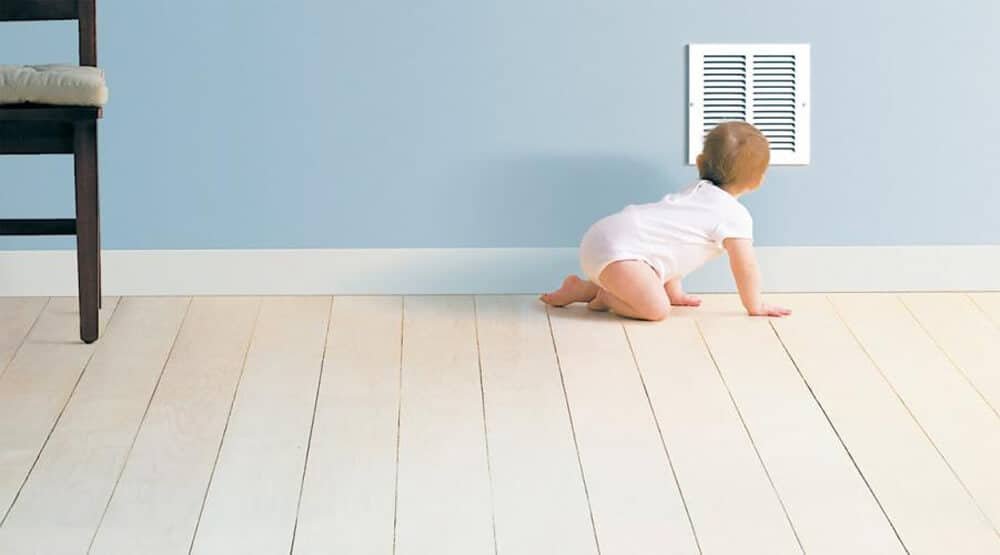
Understanding Air Filtration Needs
Air quality plays a crucial role in maintaining health and well-being, particularly in environments where chemical and biological threats may be present. Pollutants, such as volatile organic compounds (VOCs), particulate matter, and biological agents, can infiltrate homes and workplaces, significantly affecting indoor air quality. The presence of these pollutants can lead to a range of health issues, from respiratory problems to more severe conditions, making effective air filtration systems essential.
Chemical threats include substances released from household products, industrial emissions, or even outdoor pollutants that make their way indoors. These chemical agents may not only irritate the respiratory system but can also pose long-term health risks. Biological threats, on the other hand, encompass mold spores, bacteria, viruses, and allergens that can proliferate in indoor spaces, particularly in damp conditions. Understanding the specific types of pollutants present in one’s environment allows individuals to assess their air filtration needs more accurately.
In many situations, commercial air filtration systems may not provide comprehensive protection against all potential threats. This is where DIY air filtration solutions can be particularly advantageous. They offer flexibility in design tailored to individual needs, allowing users to customize their systems based on the types of pollutants they face. For example, in environments prone to biological contaminants like mold, a DIY system can incorporate HEPA filters, which are highly effective at trapping such biological agents.
Furthermore, DIY systems can be more cost-effective and easier to maintain, providing a practical alternative for those looking to enhance their air quality proactively. By educating oneself on air filtration needs and potential threats, individuals can take informed steps towards creating a safer and healthier indoor environment.
Components of Effective DIY Filtration Systems
Building a DIY air filtration system requires careful consideration of several essential components to ensure its effectiveness against chemical and biological threats. The primary component of any filtration system is the HEPA filter, known for its ability to capture particles as small as 0.3 microns with an efficiency of 99.97%. When selecting a HEPA filter, it is crucial to prioritize filters that meet industry standards (e.g., IEST-RP-CC001.3) for maximum performance.
In addition to HEPA filters, activated carbon is another critical material to include in the filtration system. Activated carbon possesses a vast surface area that adsorbs harmful chemicals and gases effectively. When choosing activated carbon, look for products with high porosity and a high surface area, which indicate better purification capabilities. It can effectively reduce volatile organic compounds (VOCs) and other noxious chemicals present in indoor air.
A fan system is also an integral part of a DIY air filtration system. The fan helps to circulate air through the filter, increasing the efficiency of the filtration process. When selecting a fan, consider the airflow rate (measured in cubic feet per minute or CFM) to ensure it is compatible with the size of the room and the filtration system. A fan with adjustable speed settings can offer flexibility according to varying conditions and needs.
Lastly, it’s essential to have the right tools for assembly. Common tools required may include screwdrivers, scissors, duct tape, and a utility knife. A housing unit or frame can also be beneficial for maintaining the structure of the filtration system. Overall, selecting high-quality components tailored to specific needs is vital for creating an effective DIY air filtration system that can combat both chemical and biological threats efficiently.
Step-by-Step Guide to Building Your Own System
Building your own air filtration system tailored to mitigate chemical and biological threats is a project that requires careful planning and attention to detail. This guide will take you through each step of the process to ensure the successful assembly of an effective air filtration unit.
Begin by determining the specifications and design of your system. Assess the size of the area you wish to purify and select an appropriate filter type capable of addressing the specific contaminants you are concerned about. Common choices include HEPA filters for biological threats and activated charcoal for chemical substances. Lay out a schematic to visualize the airflow path and component placement, which will guide the assembly process.
After finalizing the design, gather the necessary materials. Essential components include a fan for airflow, filter housing, filters (e.g., HEPA and activated carbon), ducting, and a case for enclosing the system. A sturdy box or portable case may be used for housing, ensuring it is well-sealed to prevent airflow leaks. Remember that airflow management is crucial; the fan should be positioned to draw air through the filters before releasing it into the environment.
During assembly, carefully position the filters to ensure optimal efficacy. The design should prioritize the correct orientation of filters to maximize air contact with the filtration media. Use duct tape to secure any joints, ensuring a tight seal to enhance performance against airborne pollutants. Pay attention to create an appropriate electrical setup if you are using a powered fan, ensuring that all electrical components are safe and securely installed.
Once the assembly is completed, conduct a test run while monitoring airflow and noise levels. If you notice any issues, inspect the seals, filter positioning, and fan operation. Remember to keep your filters clean and replace them as per the manufacturer’s recommendations to maintain air quality effectively.
Maintenance and Best Practices
To ensure the optimal performance of your DIY air filtration system, regular maintenance is crucial. One of the primary components that require attention is the filter. It is advisable to change the filters at least every three months. Depending on the air quality in your environment and the specific type of filter used, you may need to replace them more frequently. Monitoring the filter’s condition can also be beneficial; if it appears clogged or discolored, it is time for a change. This regular maintenance will help prevent the passage of contaminants, thus maintaining a clean atmosphere.
In addition to filter replacement, monitoring air quality is essential. Utilizing air quality monitors can provide real-time data regarding levels of pollutants and allergens. These devices can alert you to any significant changes in air composition, indicating when it’s time to address the filtration system or even reconsider its placement. This proactive approach ensures your environment remains safe from chemical and biological threats.
When it comes to the placement of your air filtration system, strategically positioning it can greatly impact its effectiveness. Ensure that the unit is placed in a space with good airflow and away from obstructions that may hinder its performance. Avoid placing it in corners or behind furniture; instead, opt for central locations to maximize air intake and output. Furthermore, maintaining optimal airflow can enhance the system’s efficiency. This includes regularly checking for blockages in vents or ducts, and ensuring that the air return pathway is clear to allow for smooth circulation.
Implementing these best practices ensures your DIY air filtration system operates effectively and continuously provides a safe and healthy environment, particularly in settings where chemical and biological threats may be a concern. Regular attention and systematic care can vastly improve the air quality within enclosed spaces.