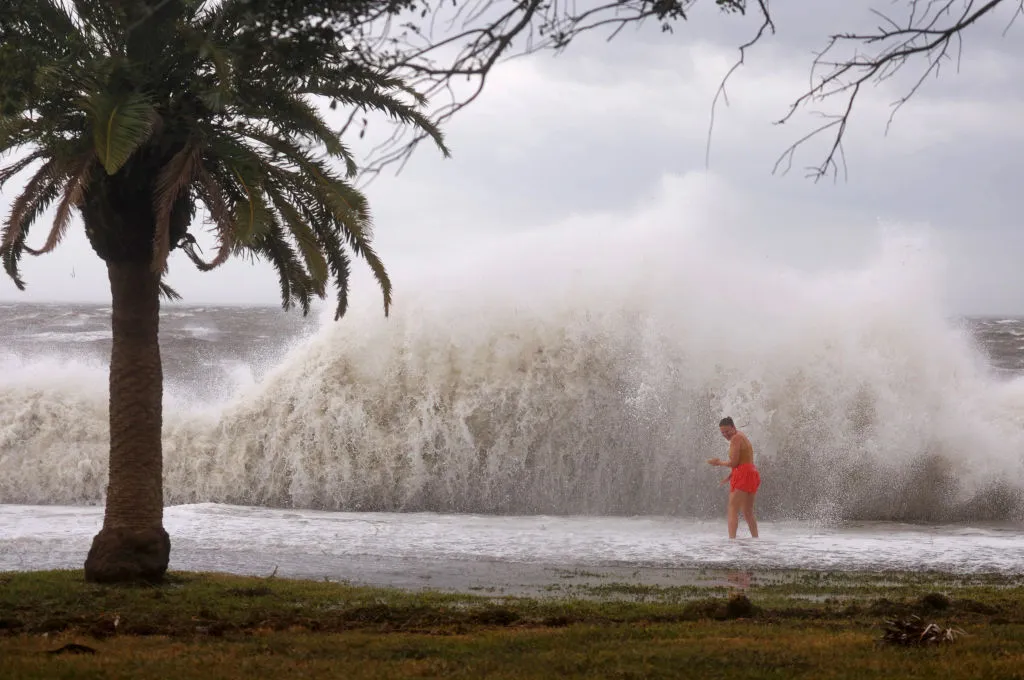

Understanding Hurricanes and Ocean Storms
Hurricanes and ocean storms are some of the most powerful natural phenomena, capable of causing significant destruction and disruption. Understanding how these storms form is essential for preparing and protecting communities in their path. Hurricanes generally develop over warm ocean waters, typically when the sea surface temperature reaches at least 26.5 degrees Celsius (80 degrees Fahrenheit). This warmth fuels the storm’s energy, leading to the formation of a low-pressure area that can evolve into a tropical depression, then a tropical storm, and eventually a fully-fledged hurricane.
An important aspect of hurricanes is their classification. The Saffir-Simpson Hurricane Wind Scale categorizes hurricanes from one to five based on sustained wind speeds. A Category 1 hurricane has wind speeds between 74 and 95 miles per hour, causing minor damage, while a Category 5 hurricane, with wind speeds exceeding 157 miles per hour, can result in catastrophic destruction. Such classifications help communities assess the potential threat and take necessary precautions in advance of a storm’s arrival.
In addition to wind speed, ocean storms are characterized by storm surges and heavy precipitation. Storm surges, which are abnormal rises in sea level caused by the storm’s wind and pressure, can lead to devastating flooding in coastal areas. Precipitation levels during a hurricane can also be substantial, often resulting in inland flooding that poses threats beyond the immediate coastline. The combination of wind, high water, and rainfall creates a multifaceted hazard that underscores the necessity for emergency preparedness.
By grasping the dynamics of hurricanes and ocean storms, individuals and communities can better anticipate their effects, enabling improved safety measures and response plans. Such knowledge ultimately contributes to resilience against the potential impact of these ferocious storms on both society and the environment.
Preparing for a Storm: Essential Information and Supplies
When a hurricane or ocean storm approaches, adequate preparation is paramount for ensuring safety and survival. The first step is to create a comprehensive survival plan. This plan should outline evacuation routes, establish a meeting point for family members, and designate responsibilities for each member of the household. Regularly reviewing and updating this plan will help ensure everyone is familiar with it and can act swiftly when necessary.
Assembling a well-stocked emergency kit is another critical step in storm preparation. This kit should include non-perishable food items, such as canned goods and dried fruits, sufficient to last at least three days. Adequate water supply is equally vital; experts recommend at least one gallon per person per day. In addition to food and water, your emergency kit should include necessary medical supplies, such as a first-aid kit, prescription medications, and personal hygiene items. Important documents, including identification, insurance policies, and medical records, should also be safeguarded in a waterproof container.
Securing your property is an essential aspect of preparation for hurricanes and ocean storms. This includes reinforcing windows with storm shutters or plywood, securing outdoor furniture, and checking that gutters and drains are clear to prevent flooding. It is advisable to evaluate the structural integrity of your home and make any necessary repairs beforehand.
Staying informed is a crucial component of storm preparation. Tune into reliable weather channels, download storm tracking apps, and heed alerts from local authorities. Being proactive in your preparations increases your resilience in weathering the storm and minimizes the impact on your safety and that of your loved ones. Following these essential steps can significantly enhance your chances of navigating through severe weather conditions effectively.
Safety Tips During the Storm
During hurricanes and ocean storms, ensuring personal safety is of utmost importance. The first and most critical step is to remain indoors. Seek shelter in a sturdy building away from windows and doors, as high winds and flying debris can pose significant risks. It is advisable to secure all windows and doors with storm shutters or boards to minimize potential damage and injury.
Creating a safe room within your home is a wise precaution. This designated area should be located in a central part of the house, preferably on the lowest level, and away from windows. Stock this space with essential supplies, including water, non-perishable food, flashlights, and a battery-powered radio. In the event of power outages, such preparations can be invaluable in ensuring you and your family remain safe and comfortable.
If flooding is a concern, it is essential to monitor local news and weather forecasts closely. Move to higher ground if instructed to do so and avoid wading through floodwaters, which can be deeper and more perilous than they appear. If you lose power, refrain from using candles as they can increase the risk of fire. Instead, utilize flashlights or battery-operated lanterns for illumination.
Traveling during a storm can be exceedingly dangerous due to downed power lines, fallen trees, and hazardous road conditions. It is best to remain at home until emergency services declare the area safe. To enhance your mental well-being during these stressful situations, engage in activities that can help maintain a sense of normalcy, such as reading or playing games with family. Additionally, staying connected with loved ones through phone calls or texts can provide emotional support and reassurance.
Post-Storm Recovery: What to Do After the Storm Passes
Once a hurricane or ocean storm has passed, the focus shifts to recovery and rebuilding. Assessing damage should be the first step. Carefully inspect your property and surrounding areas, taking note of any significant damage to structures, utilities, and the environment. Documenting the damage with photos and detailed notes will be invaluable for insurance claims and recovery efforts.
After assessing property damage, it is essential to communicate with emergency services to report outages, downed trees, or hazards such as gas leaks. Listen to local officials for updates about when it is safe to return to evacuated areas. Your safety and the safety of your family should be the top priority, as there may be lingering dangers in the aftermath of the storm.
As you navigate the logistical challenges of recovery, it is equally important to address mental health needs. Experiencing a storm can lead to anxiety and psychological stress for those affected. Consider reaching out to mental health professionals, as well as community organizations that provide access to counseling services. Engaging in support groups or workshops can also facilitate healing and foster connections with others who have faced similar experiences.
Beginning the cleanup process may seem daunting, but taking it slow and steady is key. Ensure that you wear appropriate safety gear and follow safety guidelines. Start with safe areas and gradually progress to riskier zones. It is advisable to enlist the help of friends and community members when possible, as collective efforts often make the process more manageable and socially supportive.
Lastly, look for resources that offer financial assistance and support for recovery. Many local and national organizations provide aid to those affected by disasters. Familiarize yourself with these resources, as they can offer both immediate relief and long-term recovery options to help rebuild lives disrupted by storms.